

Loneliness and emotional trauma are two deeply personal struggles that can affect mental health, relationships, confidence, and overall wellbeing. Some people feel isolated even when surrounded by others, while others carry emotional pain from past experiences that still shapes daily life. In today’s fast-moving world, many individuals are turning to free AI therapy tools for accessible emotional support and guidance.
Artificial intelligence is changing how people approach mental wellness. Through guided conversations, mood check-ins, journaling prompts, and coping exercises, ai therapy platforms can provide immediate support whenever it is needed. While these tools are not a replacement for licensed mental health care, they may help people feel less alone and more supported as they begin healing.
In this guide, we’ll explore loneliness, emotional trauma, and how AI tools may play a helpful role in recovery and emotional balance.
Understanding Loneliness
Loneliness is more than being physically alone. It is the emotional feeling of disconnection, lack of belonging, or feeling unseen by others. Someone can be surrounded by family, coworkers, or friends and still feel lonely.
This feeling may develop after moving to a new city, ending a relationship, losing a loved one, working remotely, or experiencing long-term emotional stress. In the USA and globally, loneliness has become more common due to digital lifestyles, social isolation, and busy routines.
When loneliness continues over time, it can contribute to anxiety, depression, poor sleep, low motivation, and reduced self-esteem.
What Is Emotional Trauma?
Emotional trauma happens when distressing experiences overwhelm a person’s ability to cope. Trauma may come from childhood neglect, abuse, betrayal, grief, accidents, violence, or prolonged emotional stress.
Not everyone responds to painful events in the same way. Some people recover quickly, while others continue to experience fear, emotional numbness, hypervigilance, trust issues, or painful memories long after the event has passed.
Trauma can quietly influence relationships, confidence, and stress responses without always being recognized.
What Is Free AI Therapy?
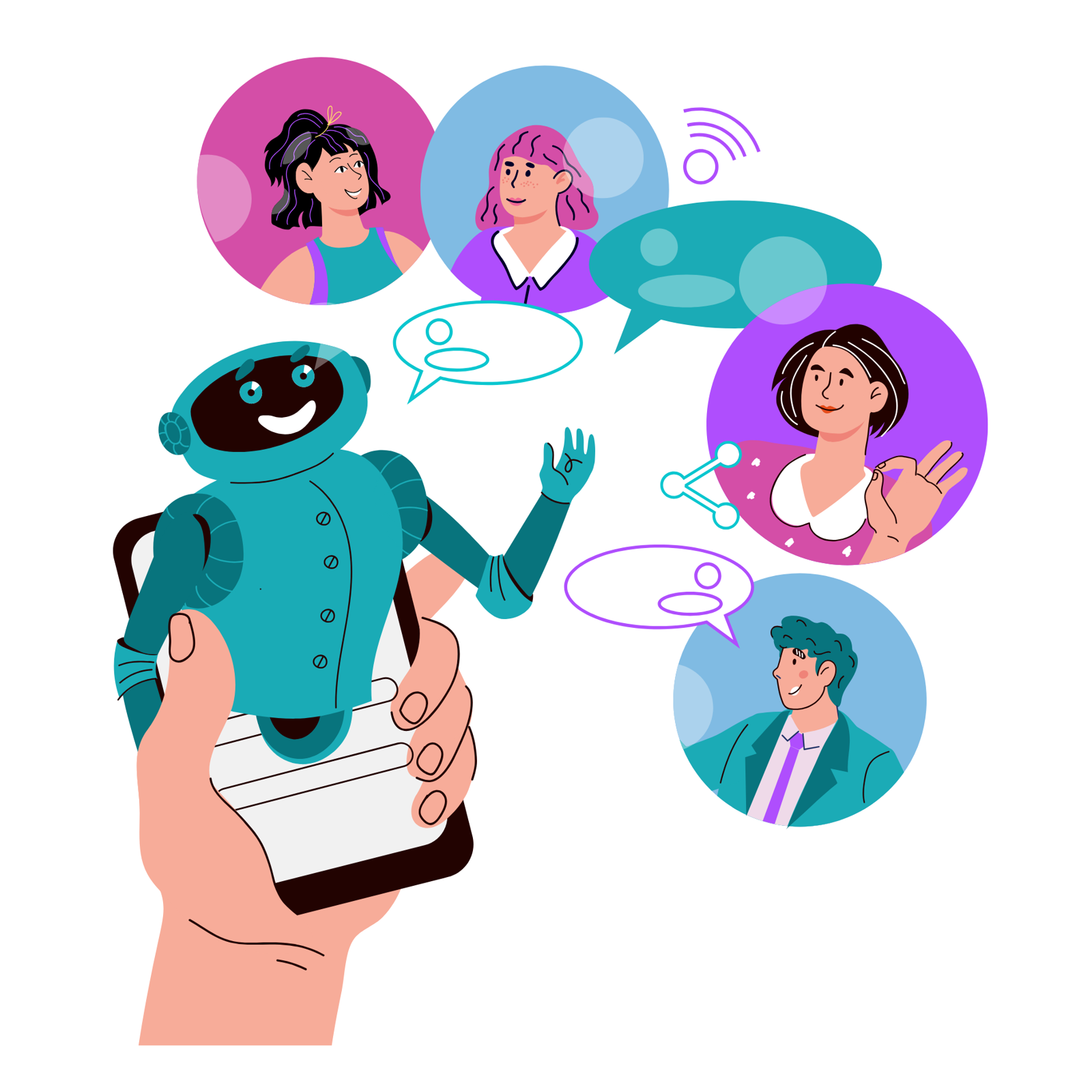
Free AI therapy refers to digital wellness tools powered by artificial intelligence that offer emotional support, guided conversations, and self-help strategies without cost.
These tools are often available through apps or websites and can be used anytime. For loneliness and trauma-related stress, they may offer:
Emotional check-ins
Guided journaling
Calming exercises
Mindfulness support
Habit reminders
Encouraging conversations
Because they are available 24/7, they can provide comfort during difficult moments when human support is not immediately accessible.
How AI Therapy May Help With Loneliness
Loneliness often grows in silence. People may hesitate to tell others how disconnected they feel. One potential benefit of ai therapy is immediate interaction. Even a brief supportive conversation can help reduce feelings of emotional isolation.
AI wellness tools may also encourage healthier habits such as reaching out to a friend, planning social activities, spending time outdoors, or practicing gratitude. These small actions can gradually rebuild connection and confidence.
Some users appreciate having a private space where they can express emotions without fear of judgment.
How AI Therapy May Help With Emotional Trauma
Trauma recovery is complex, but gentle emotional support can be valuable between therapy sessions or during daily stress. AI tools may help users ground themselves during anxious moments through breathing exercises, mindfulness prompts, and calming routines.
They can also support journaling and emotional reflection, which may help users process thoughts more safely and consistently.
However, trauma treatment often requires trained professionals. AI tools can assist wellness routines, but they should not replace trauma-informed therapy.
Can Free AI Therapy Really Help Loneliness and Emotional Trauma?
Free AI therapy can be helpful for emotional support, stress management, self-awareness, and habit-building. It may be especially useful for people experiencing mild loneliness, emotional overwhelm, or the need for consistent daily encouragement.
It may support:
Feeling less isolated
Daily emotional check-ins
Stress reduction
Journaling habits
Mindfulness practice
Routine building
However, severe trauma symptoms, panic attacks, major depression, or intense emotional distress require professional care.
If symptoms involve flashbacks, self-harm thoughts, severe anxiety, or inability to function normally, seeking licensed support is essential.
Why Loneliness Is Rising Worldwide
Modern life has created more connection through technology but less meaningful connection for many people. Social media can sometimes increase comparison and emptiness rather than closeness.
Remote work, busy schedules, relocation, and reduced community engagement have also increased loneliness globally. Many people now seek flexible support tools that fit their lifestyle.
This growing need has contributed to rising interest in ai therapy and digital wellness platforms.
Healthy Ways to Heal Beyond Technology
Technology can support healing, but human connection remains powerful. Reaching out to trusted people, joining communities, practicing self-care, and seeking therapy are all valuable steps.
For trauma healing, patience is important. Recovery often happens gradually through safety, support, emotional regulation, and rebuilding trust.
Healthy sleep, movement, sunlight exposure, balanced nutrition, and mindfulness also play important roles in emotional resilience.
When to Seek Professional Help
If loneliness becomes persistent depression or trauma symptoms interfere with daily life, professional support is strongly recommended.
Warning signs include:
Ongoing hopelessness
Panic symptoms
Flashbacks
Severe trust issues
Self-isolation for long periods
Thoughts of self-harm
Therapists and mental health professionals can provide evidence-based treatment tailored to personal needs.
The Future of AI and Emotional Healing
Future ai therapy tools may become more personalized by understanding mood patterns, sleep habits, and emotional triggers. They may work alongside telehealth therapy, support groups, and wellness coaching.
Used responsibly, this combination could improve access to emotional care worldwide.
How Wellzy Supports Mental Wellness
At Wellzy, we believe healing starts with support, knowledge, and practical action. Loneliness and trauma are real challenges, but recovery is possible with the right guidance.
We help readers explore trusted wellness strategies, emotional health insights, and modern tools that support healthier lives.
Conclusion
Free AI therapy is creating new opportunities for people dealing with loneliness and emotional trauma by offering accessible support, coping tools, and daily encouragement. While it cannot replace licensed therapy for serious trauma or depression, it can be a valuable part of a broader healing journey.
As emotional wellness continues to evolve, combining human care with free AI therapy may help more people feel supported, connected, and hopeful.
FAQs
1. Can AI therapy help with loneliness?
Yes, it may provide daily interaction, emotional check-ins, and wellness guidance.
2. Is AI therapy enough for trauma recovery?
No. Trauma often requires professional, trauma-informed care.
3. Can loneliness affect physical health?
Yes. Chronic loneliness may increase stress and affect sleep, immunity, and mood.
4. Is free AI therapy private?
It depends on the platform. Always review privacy policies before use.
5. Can emotional trauma heal over time?
Yes. With the right support, many people experience meaningful healing and recovery.
Social Media
Instagram: https://www.instagram.com/wellzycare
Youtube: https://www.youtube.com/@Wellzycare
Linkedin: https://www.linkedin.com/company/wellzy



Write a comment ...