
Mental health awareness has grown significantly in recent years, and people are increasingly looking for new ways to manage stress, anxiety, and emotional challenges. One of the most innovative developments in this area is the rise of the ai therapist, a digital tool designed to provide supportive conversations and mental wellness guidance through artificial intelligence. These platforms are becoming an important part of the modern mental health ecosystem, helping individuals access emotional support more easily than ever before.
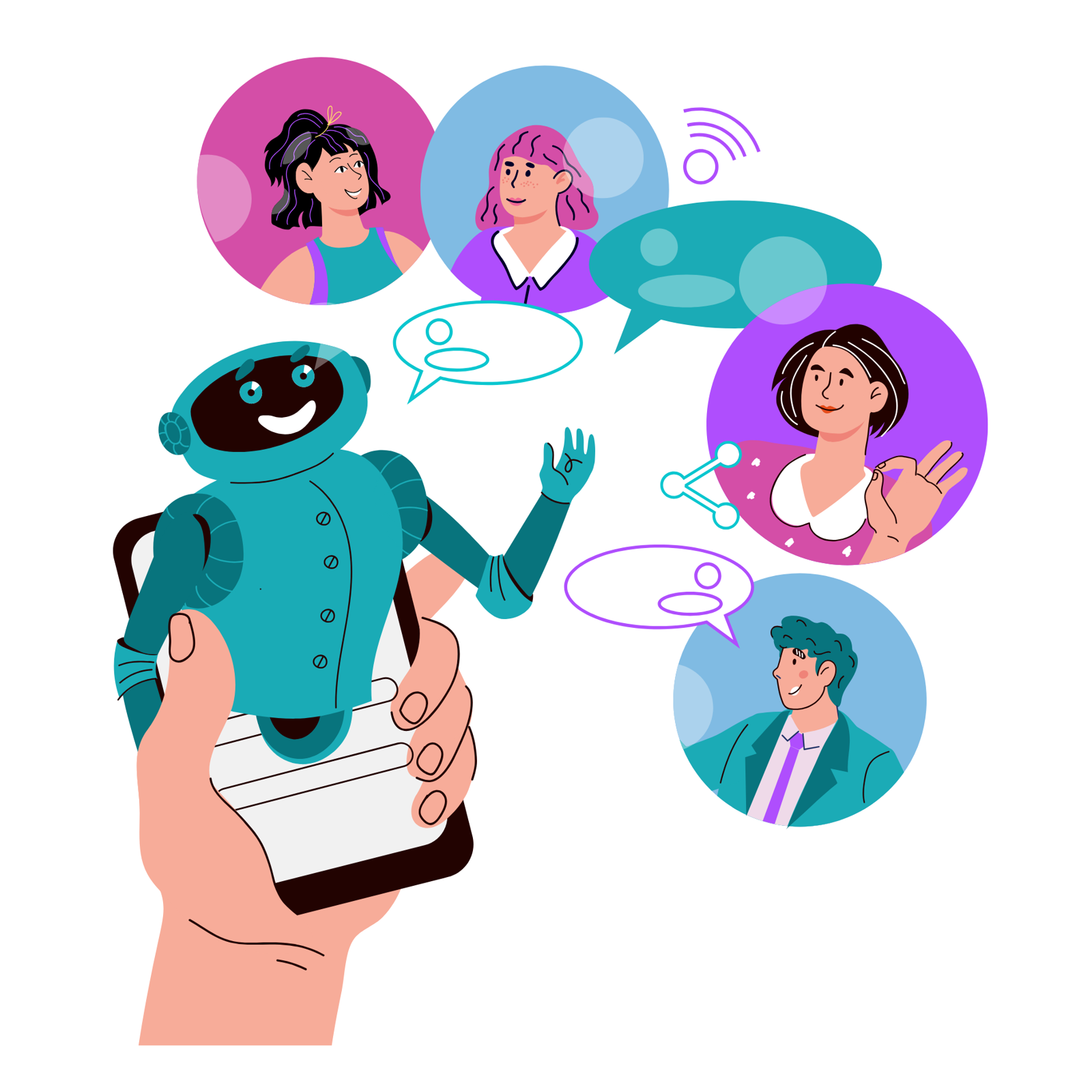
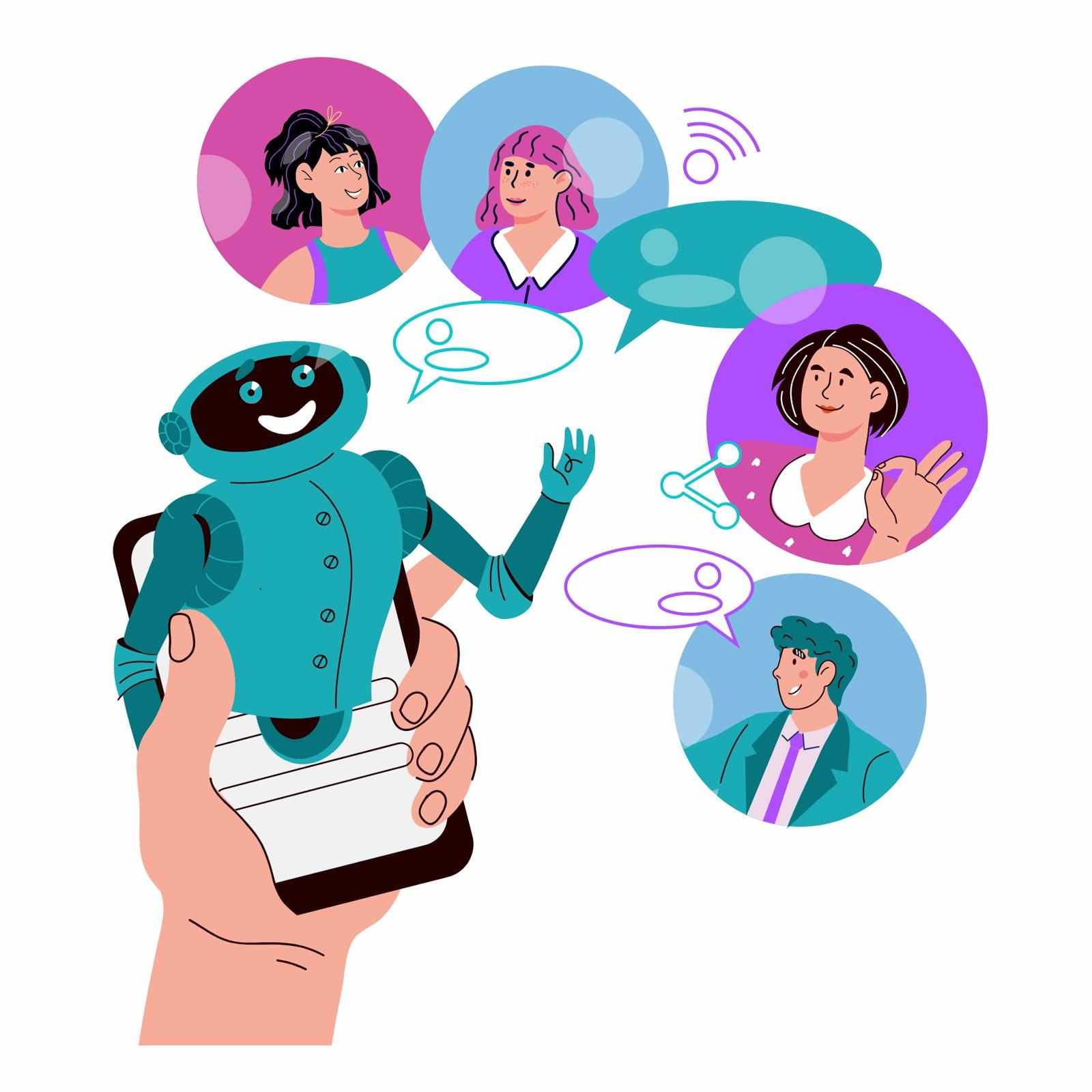
An AI therapist works by using advanced technologies such as natural language processing and machine learning to understand user input and respond with helpful suggestions. Instead of simply providing static information, these systems create interactive conversations that allow users to talk about their feelings, concerns, and daily experiences. By analyzing language patterns and emotional tone, the system can provide guidance that encourages reflection and positive thinking.
One of the biggest advantages of AI therapist platforms is their accessibility. Many people face barriers when trying to access traditional therapy services, such as high costs, long waiting lists, or limited availability in certain regions. AI-powered platforms help reduce these challenges by offering instant support through smartphones, tablets, or computers. This means individuals can receive emotional guidance anytime they need it.
Why AI Is Becoming Important in Mental Health Care
Artificial intelligence is becoming an increasingly valuable tool in mental health care because it can support people in their everyday lives. Many individuals experience daily stress related to work, relationships, finances, or personal responsibilities. AI-powered platforms provide a convenient way to talk through these challenges and learn practical coping strategies.
Another benefit of AI mental health tools is privacy. Many people hesitate to discuss their emotional struggles due to fear of judgment or social stigma. AI platforms create a confidential space where users can openly share their thoughts and feelings without feeling uncomfortable. This safe environment encourages more people to take the first step toward improving their mental well-being.
AI mental health platforms often include a range of wellness features designed to support emotional balance. These may include mood tracking, guided meditation, breathing exercises, journaling prompts, and mindfulness activities. By practicing these tools regularly, users can develop healthier habits and improve their emotional awareness over time.
The Technology Behind AI Mental Health Tools
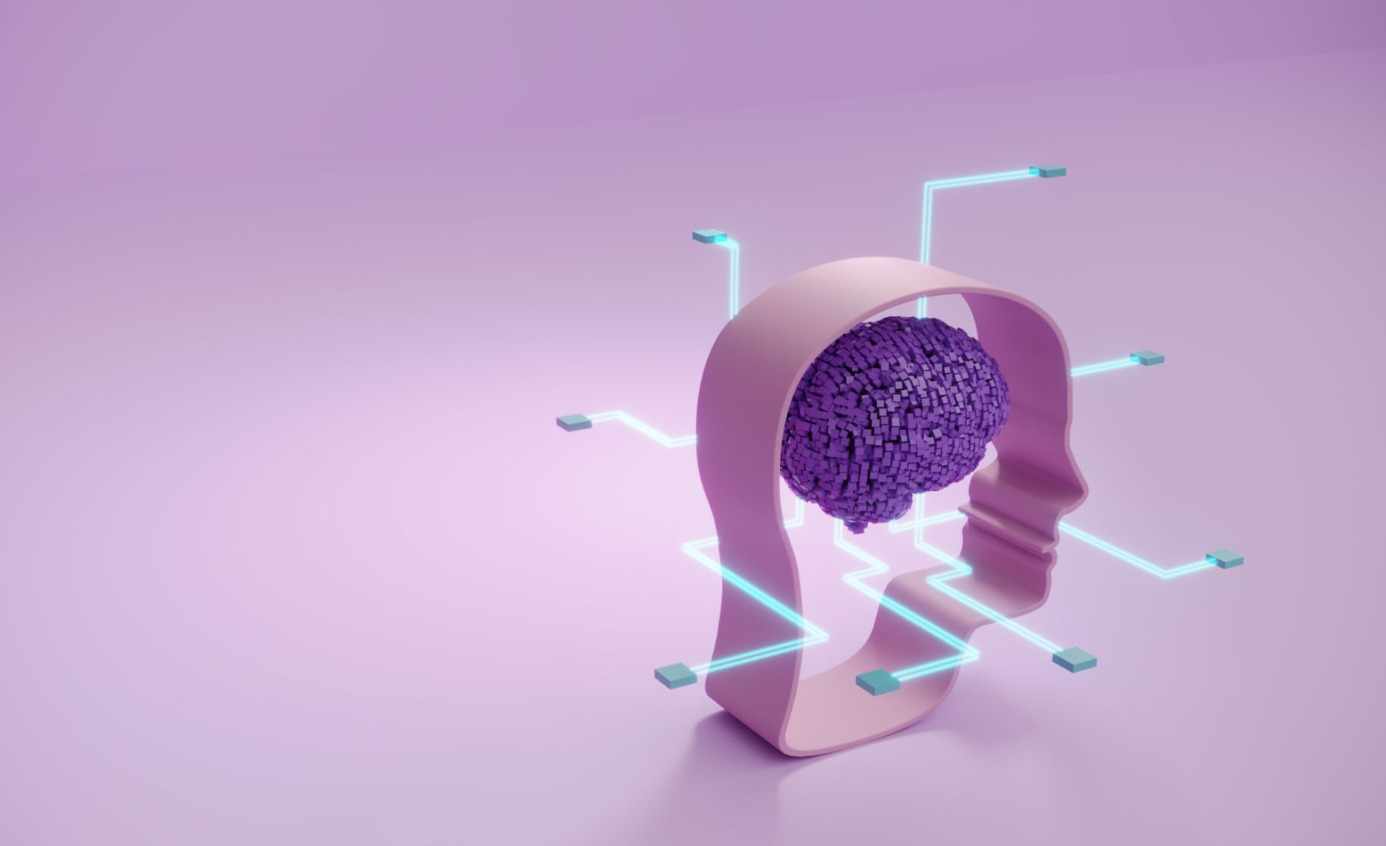
Artificial intelligence systems are capable of identifying patterns in human communication. When users interact with AI-based platforms, the system analyzes language, tone, and emotional signals to better understand how the person might be feeling. Based on this analysis, the platform can suggest coping strategies such as relaxation exercises or positive reframing techniques.
Over time, AI systems can also become more personalized. By learning from previous conversations, the platform can adapt its responses and provide guidance that is more relevant to the user’s individual experiences. This personalization helps create a more supportive and engaging mental health tool.
These platforms also encourage individuals to build consistent self-care routines. Small activities like checking in with daily emotions, practicing gratitude, or completing a short mindfulness exercise can help improve mental resilience. AI tools make it easier for people to integrate these practices into their daily lives.

The Growing Role of ai in mental health
As technology continues to evolve, the role of ai in mental health is becoming increasingly significant. AI systems are helping expand access to emotional support, improve mental health awareness, and provide digital tools that promote daily well-being.
Looking Toward the Future of AI Mental Health Support
The future of AI in mental health support is promising as researchers and developers continue to improve these technologies. More advanced systems will likely offer better emotional understanding, more personalized guidance, and improved digital wellness tools.
Thank you for visiting your mental wellness journey matters, and every small step toward self-care is a powerful one.
Connect With Us:





Write a comment ...