
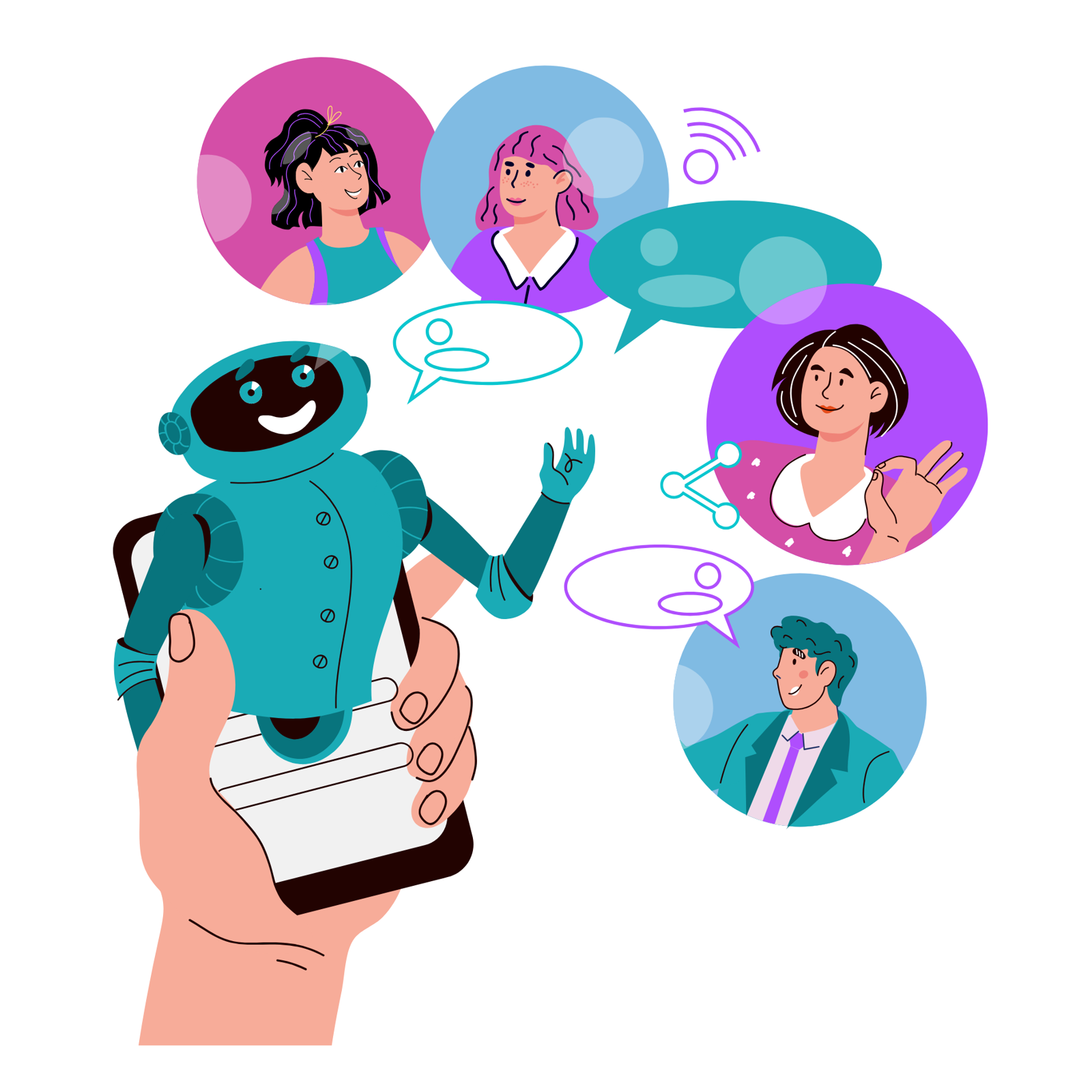
In recent years, artificial intelligence has begun transforming industries across the world, and mental health support is no exception. One of the most talked-about developments is the concept of a ChatGPT therapist an AI-powered conversational tool designed to provide emotional support, guidance, and mental wellness assistance. As demand for accessible mental health services continues to grow, businesses and startups are increasingly exploring AI-based therapy solutions to bridge the gap between traditional therapy and digital convenience.
The Growing Demand for Digital Mental Health Solutions
Mental health awareness has significantly increased over the last decade. However, access to professional therapists is still limited due to high costs, long waiting lists, and geographical barriers. This gap has created an opportunity for technology-driven platforms that can provide immediate and scalable support.
AI-driven therapy platforms allow users to communicate anytime, anywhere, making them particularly attractive for individuals seeking privacy, affordability, and convenience. Businesses entering the mental health tech sector see enormous potential as millions of people search online for quick emotional guidance and stress management tools.
How AI-Powered Therapy Works
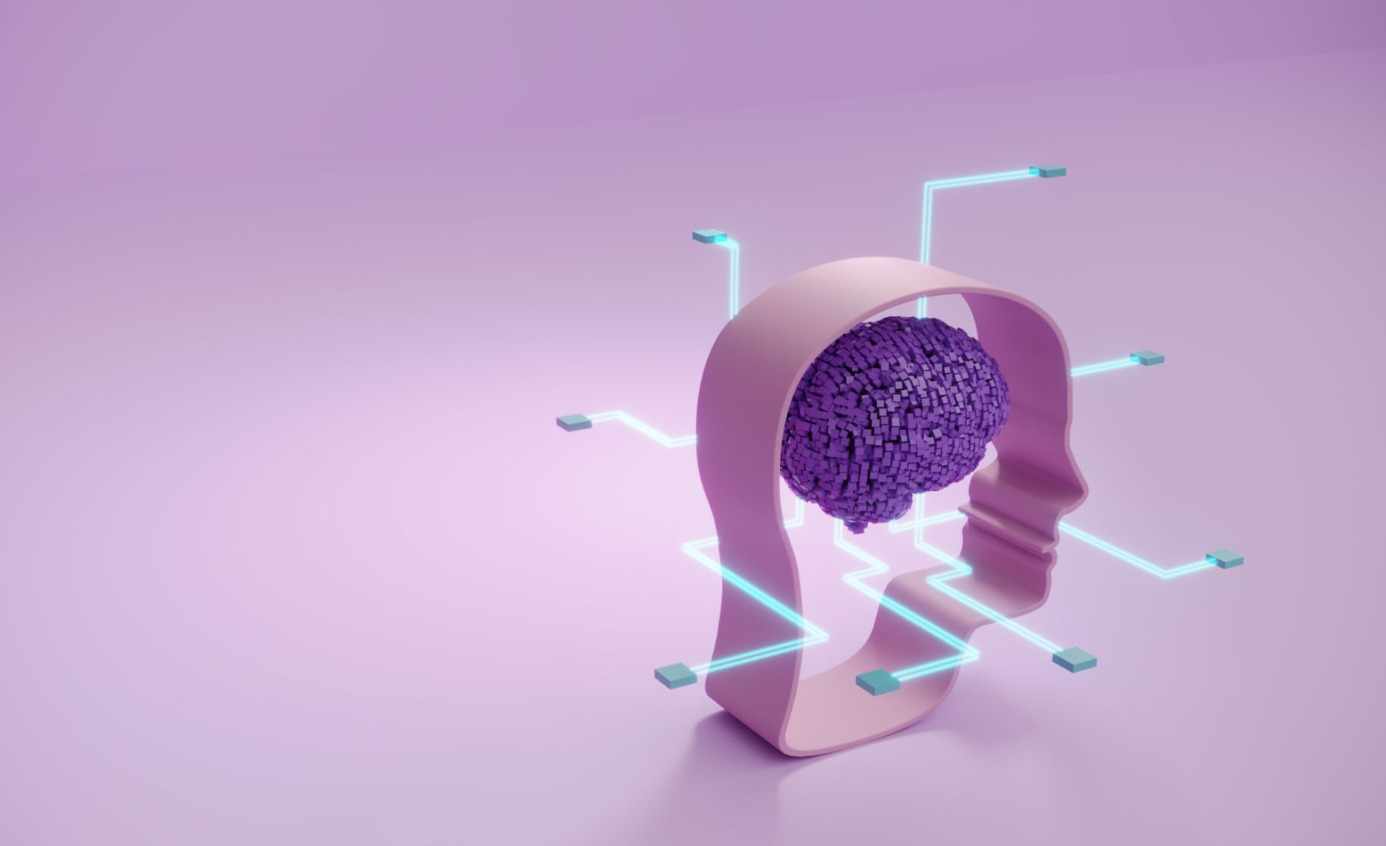
AI therapy tools operate using advanced natural language processing and machine learning technologies. These systems analyze user input, understand emotional context, and respond with supportive, structured, and empathetic messages.
Key capabilities often include:
Mood tracking and emotional analysis
Guided self-reflection exercises
Stress and anxiety management techniques
Cognitive behavioral therapy (CBT)-inspired conversations
While AI cannot replace licensed therapists, it can serve as a first layer of support, helping users process thoughts and develop healthier coping mechanisms.
Business Opportunities in the AI Therapy Market
The global digital mental health market is expanding rapidly. Companies are investing heavily in AI wellness platforms, mobile applications, and subscription-based therapy assistants.
Business models typically include:
Freemium mental wellness apps
Premium AI coaching subscriptions
Corporate mental health solutions for employees
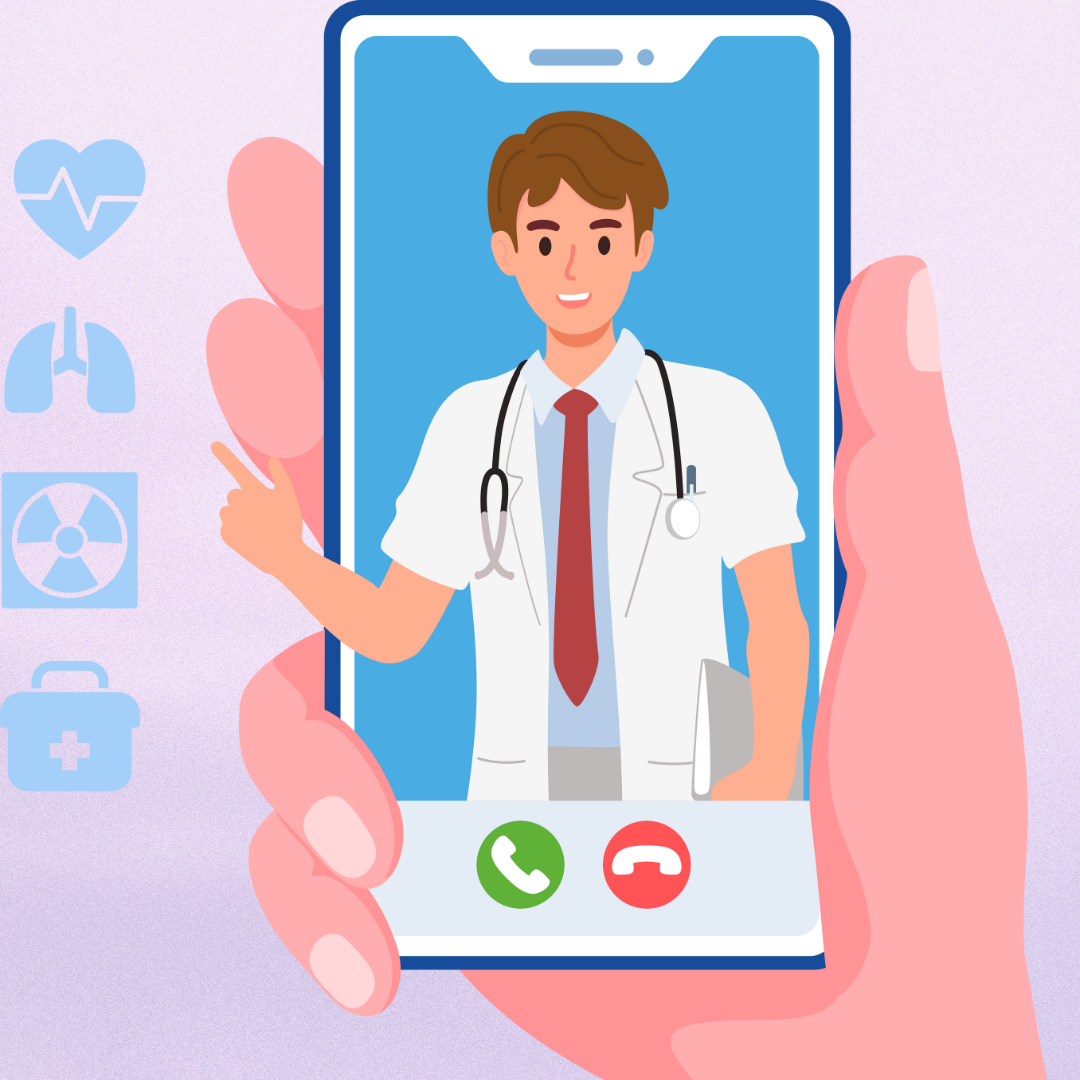
AI integration within telehealth platforms
Investors and entrepreneurs are recognizing the scalability of AI-driven mental health tools, especially in regions where access to professional therapy remains limited.
Challenges and Ethical Considerations

Despite its potential, AI therapy comes with important challenges. Privacy concerns, ethical guidelines, and limitations in emotional understanding must be carefully addressed.
Key considerations include:
Ensuring user data protection
Avoiding harmful or misleading advice
Clearly communicating that AI is not a replacement for professional care
Developing responsible AI training models
Responsible development will be essential to ensure these tools remain supportive and safe for users.
The Future of Free AI Therapy Tools
As technology continues to evolve, more platforms are introducing accessible mental health assistants. Many users now search for solutions such as a free AI therapist that can provide immediate support without the financial burden of traditional counseling.
These tools are expected to become more personalized through improved machine learning, voice interaction, and integration with wearable health devices. In the coming years, AI mental health assistants may become a standard part of digital healthcare ecosystems.
Conclusion
AI-powered mental health support is rapidly gaining traction, offering scalable and affordable solutions to millions of people worldwide. While AI cannot replace human therapists, it plays a valuable role in expanding access to emotional support and mental wellness resources. As innovation continues, businesses investing in AI-driven therapy platforms are likely to shape the future of digital mental health care, making support more accessible, responsive, and inclusive for everyone.
Welcome! We appreciate your visit and hope you have a wonderful experience
Connect With Us:
Instagram





Write a comment ...